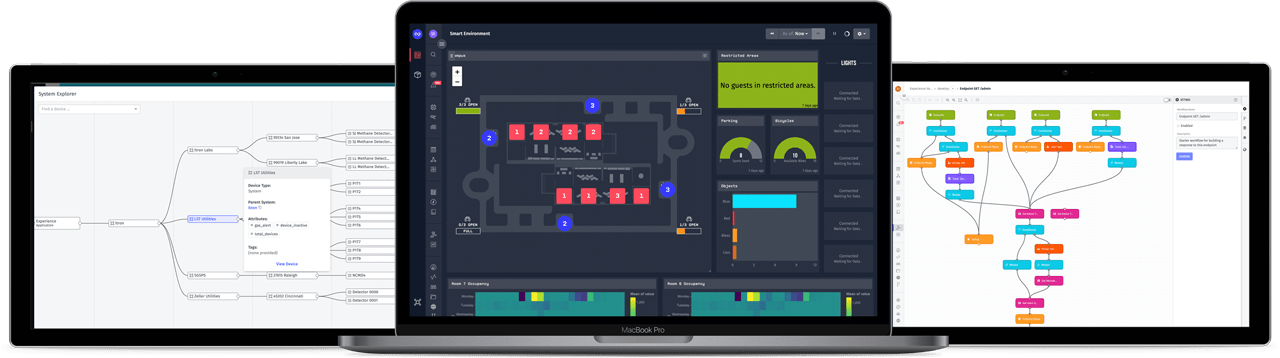
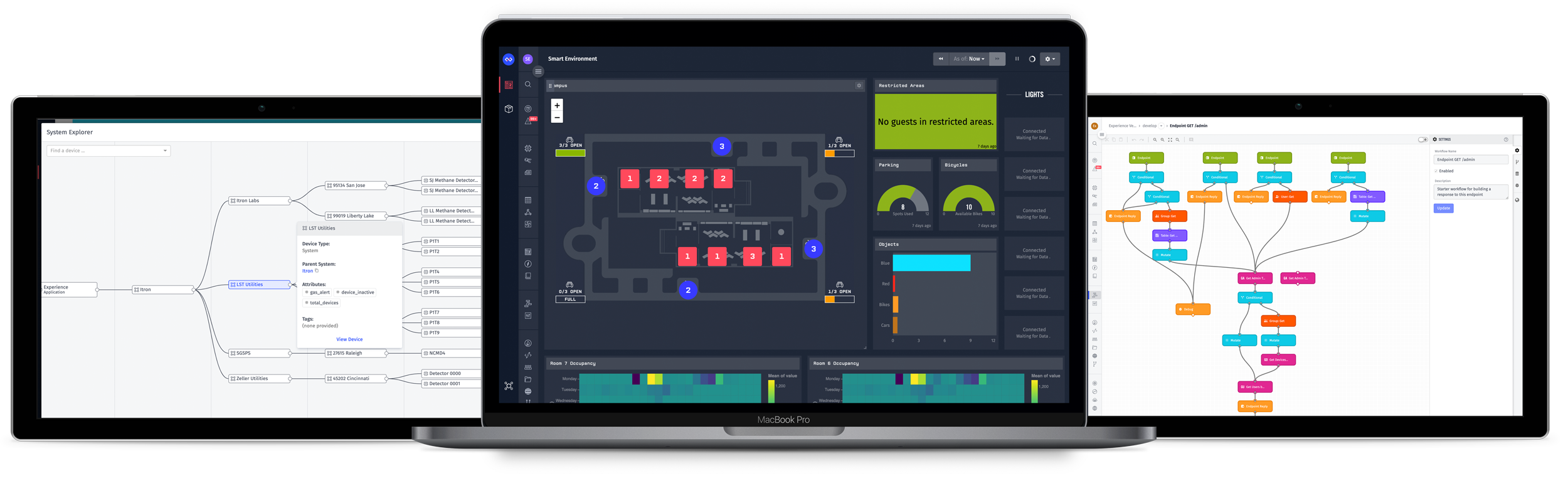
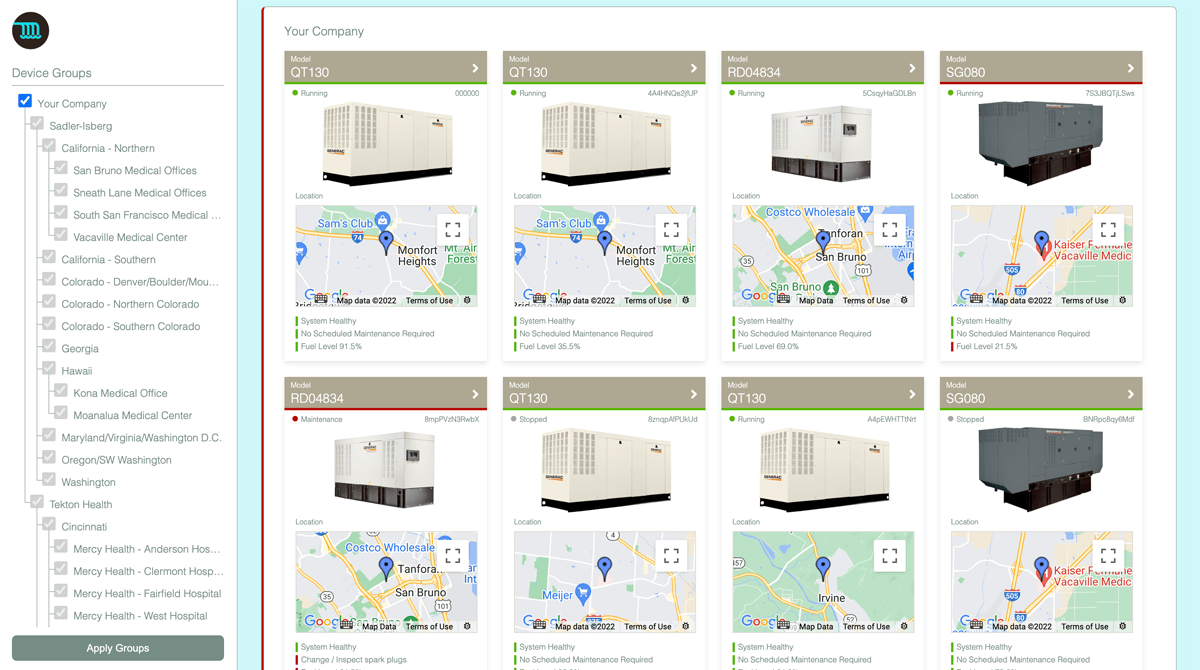
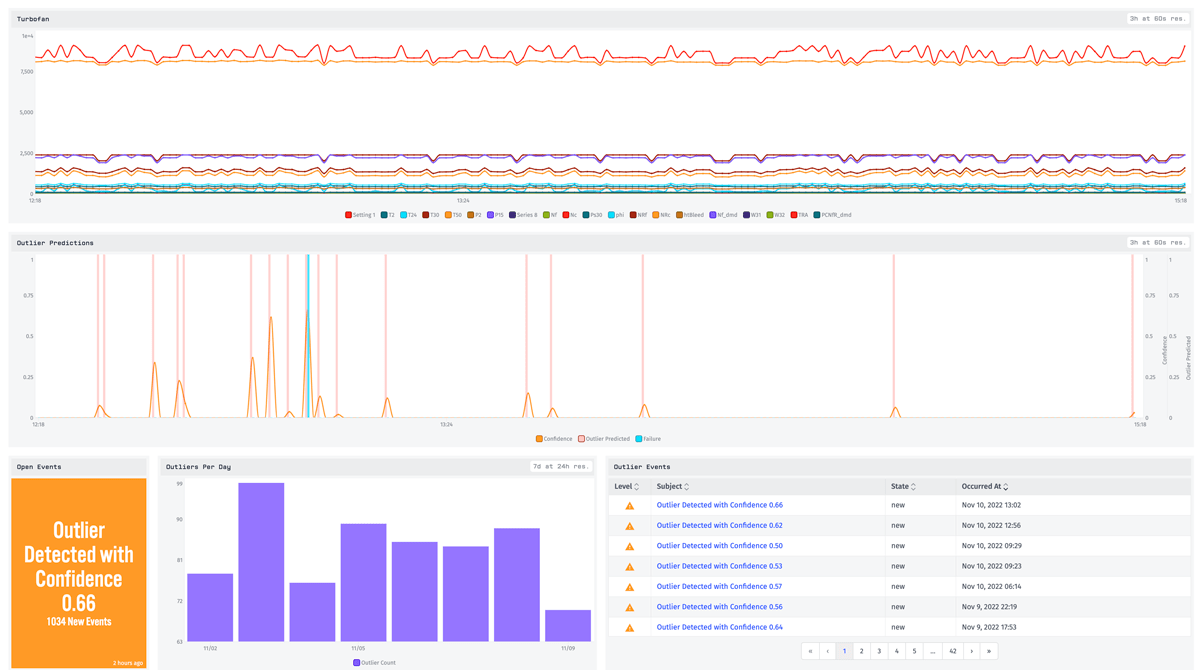
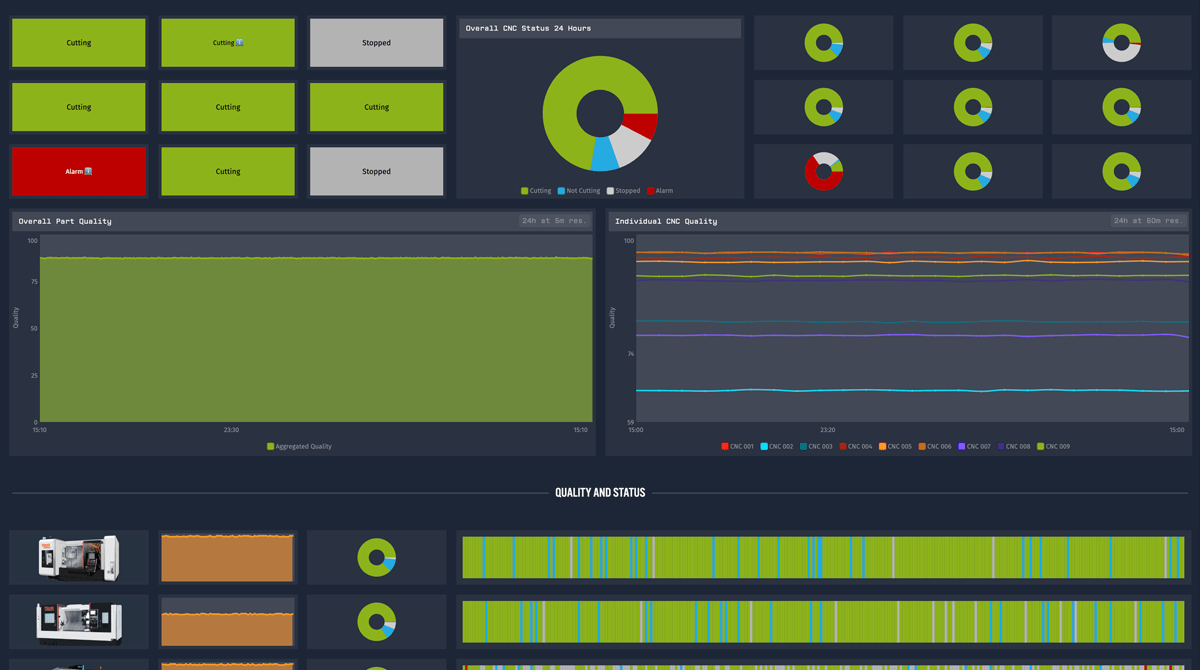
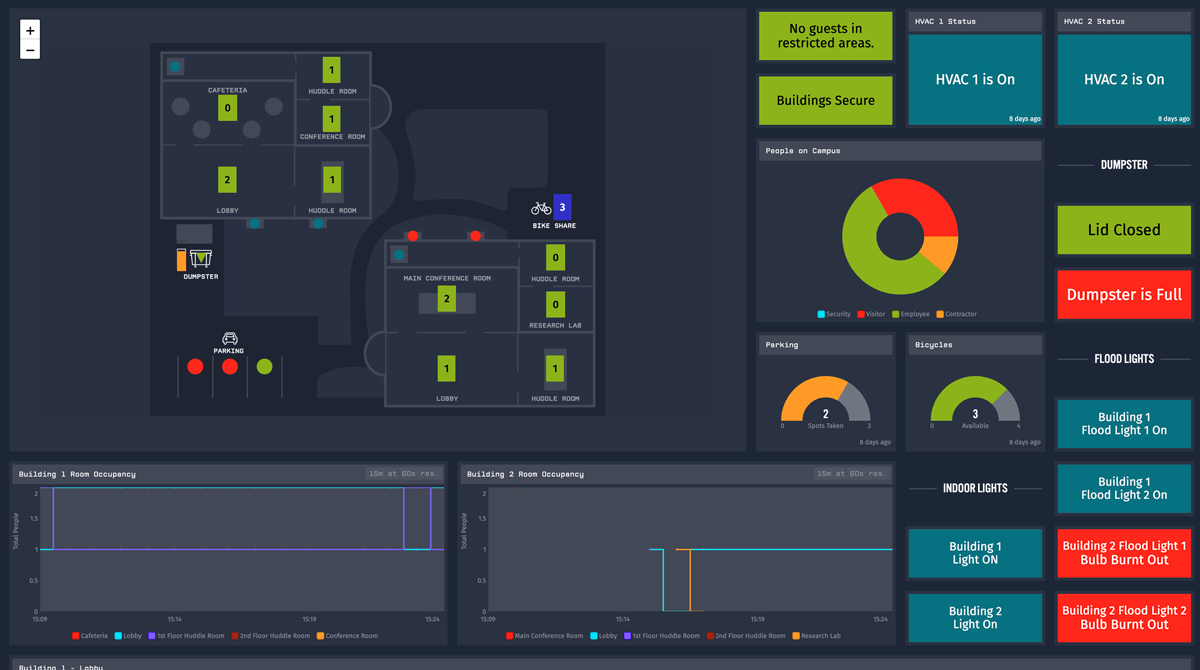
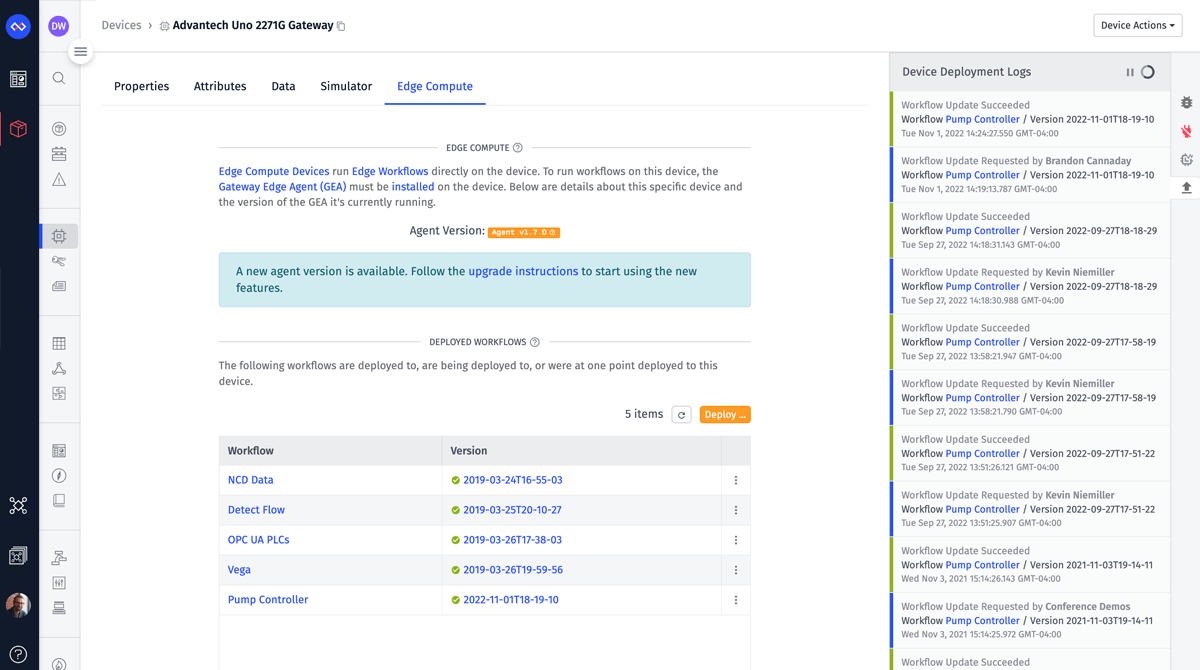
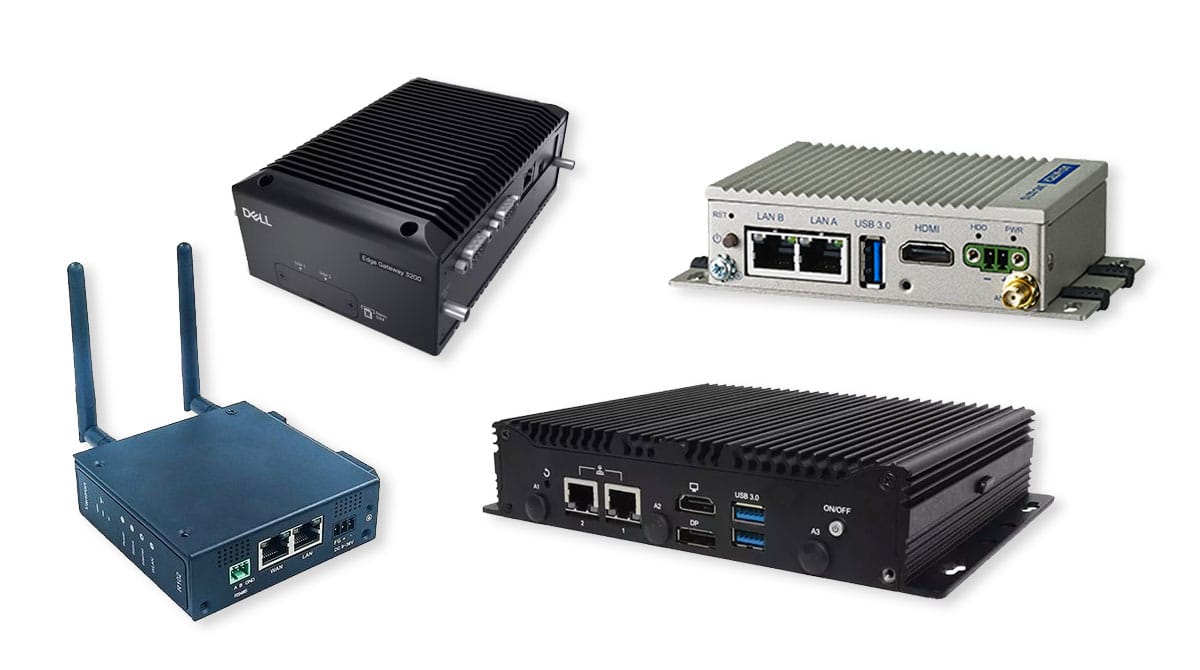
The Losant platform uses open communication standards like REST and MQTT to provide connectivity from one to millions of devices. Losant allows simple device set up and data collection, aggregation, and visualization features to help understand and quantify vast amounts of sensor data. A drag-and-drop workflow editor allows you to trigger actions, notifications, and machine-to-machine communication without programming.
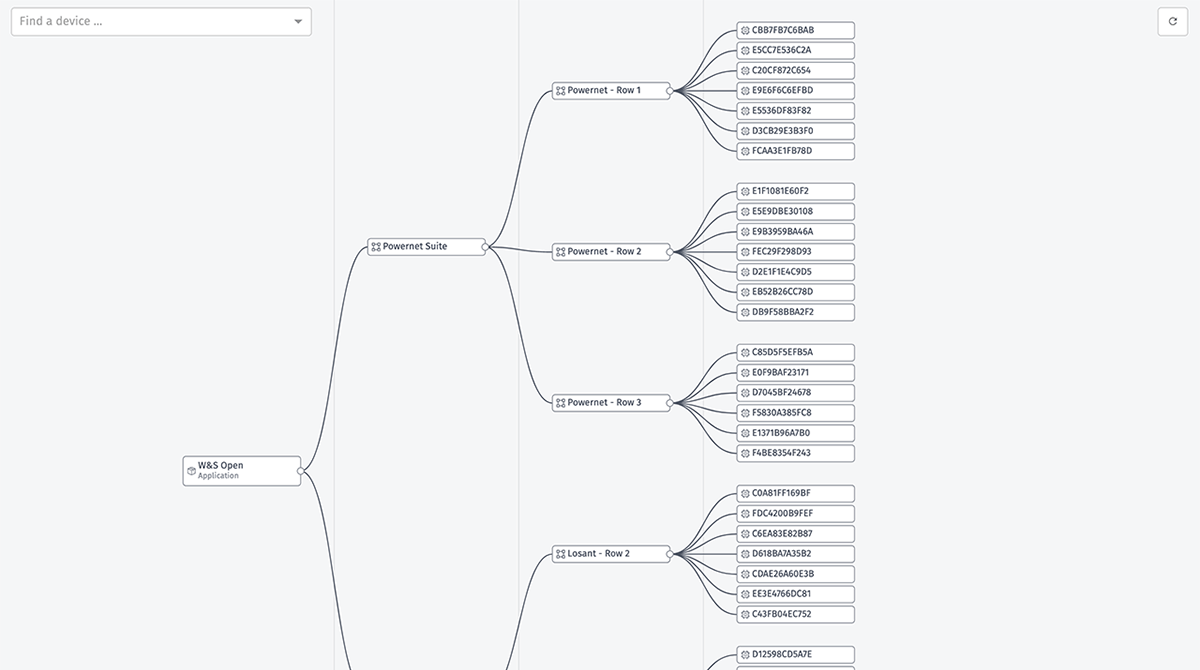
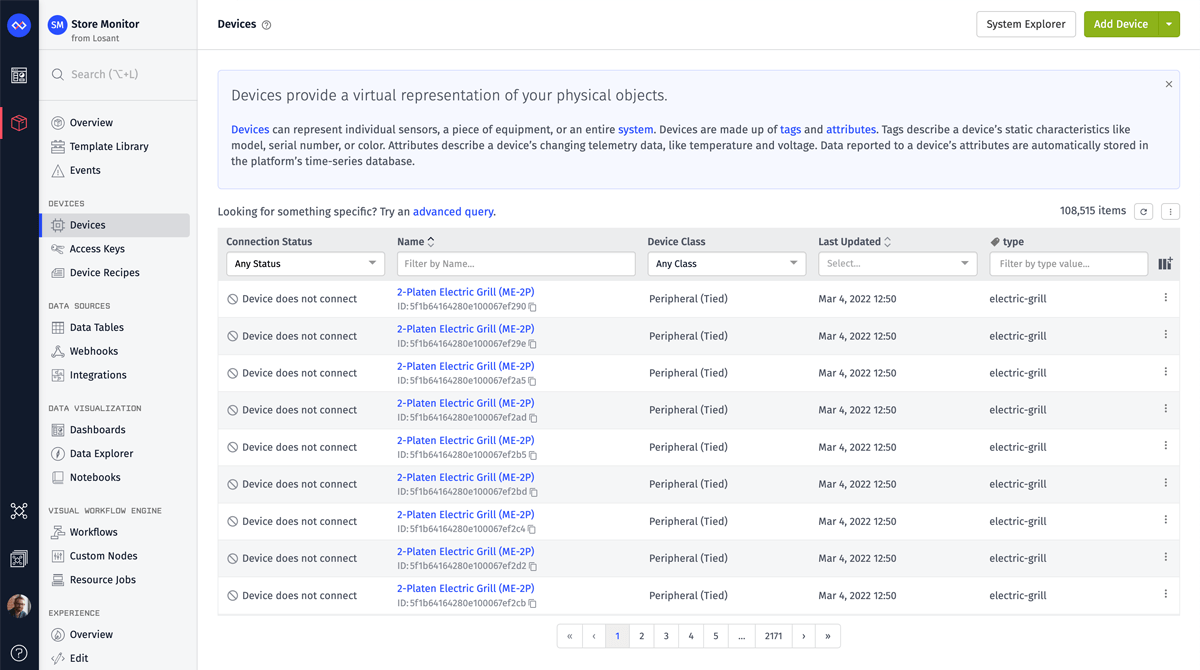
Losant provides device connectivity using open and industry standards like MQTT and REST, allowing any custom device to connect to Losant using tools and libraries available for virtually any environment.
Losant provides open source SDKs for Arduino and Node.js, allowing devices based on these technologies to quickly connect without requiring any additional implementation for the communication.
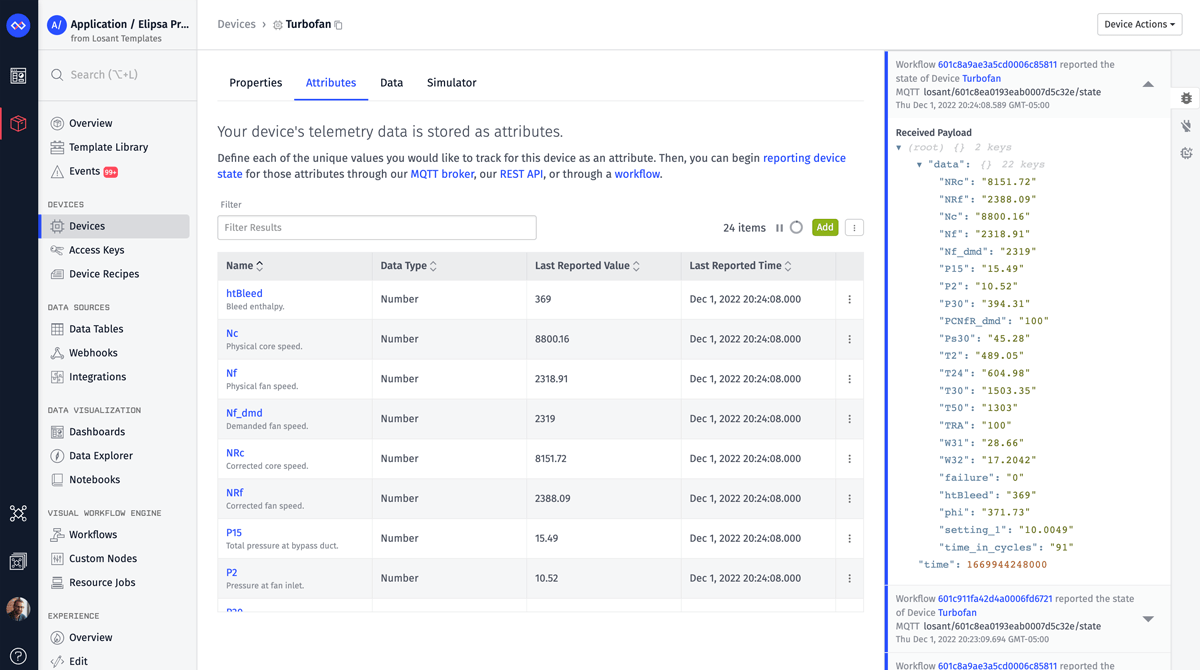
Two key communication mechanisms between devices and Losant are state and commands. State represents a snapshot of the device at some point in time, while. Commands allow you to instruct your devices to take specific actions. What commands you support is entirely up to your device and its firmware.
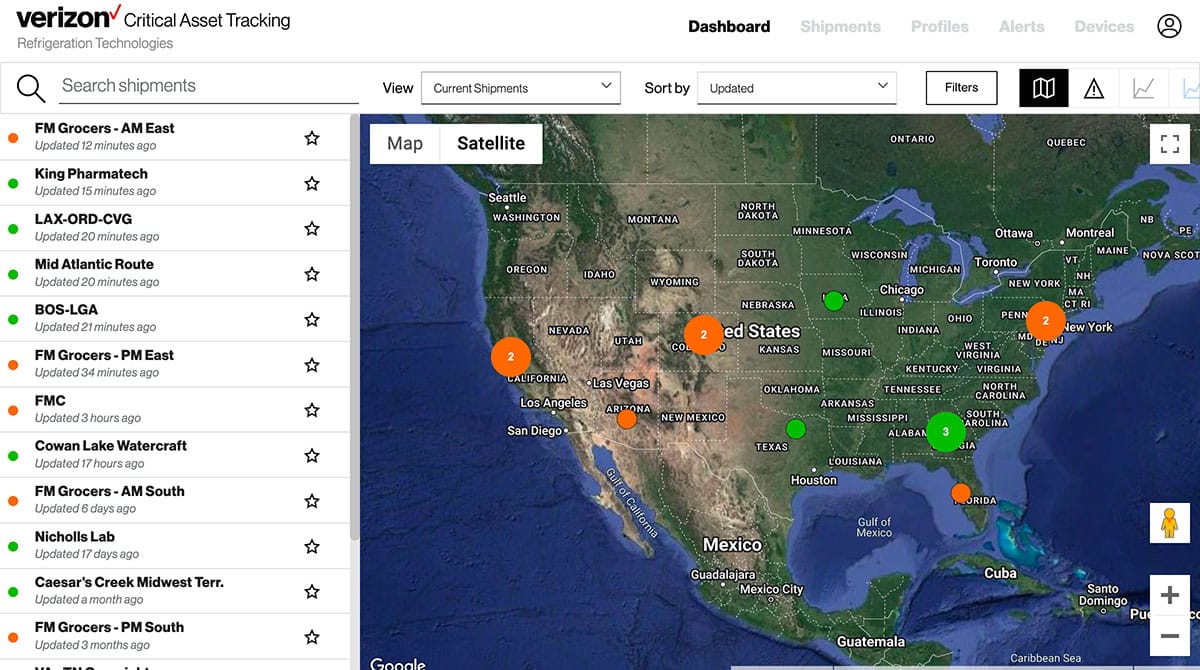
All state information reported by devices is stored, allowing real-time visualization of complex aggregations across one or more devices. Customizable dashboarding tools allow you to display and arrange information most important to your application.
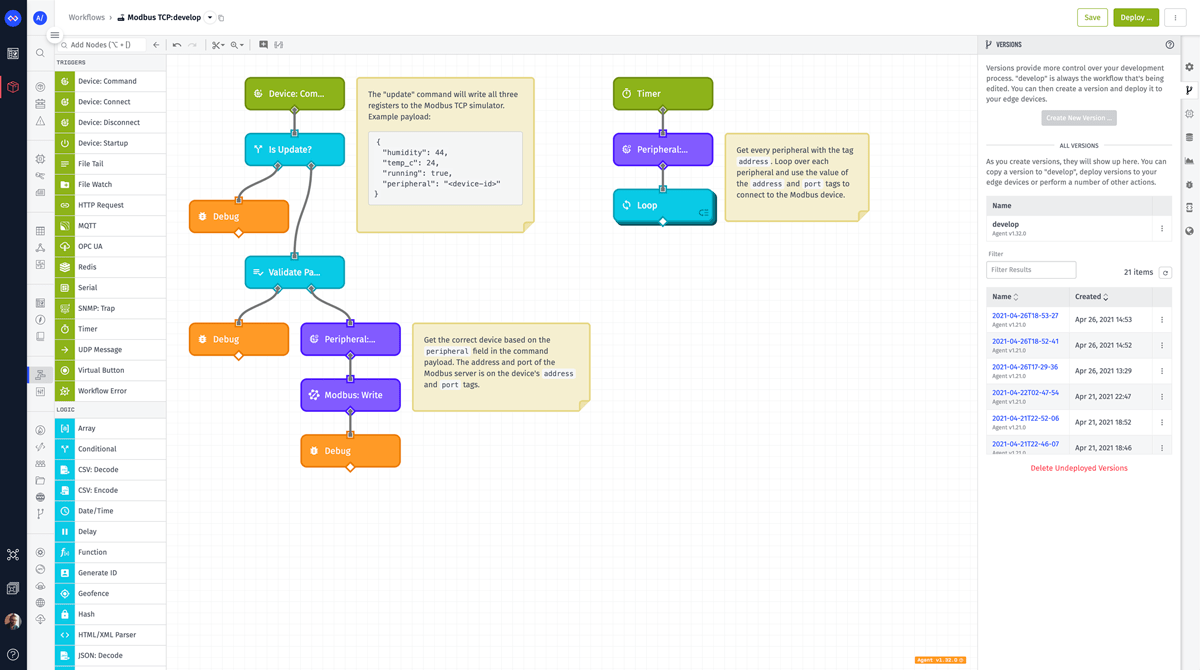
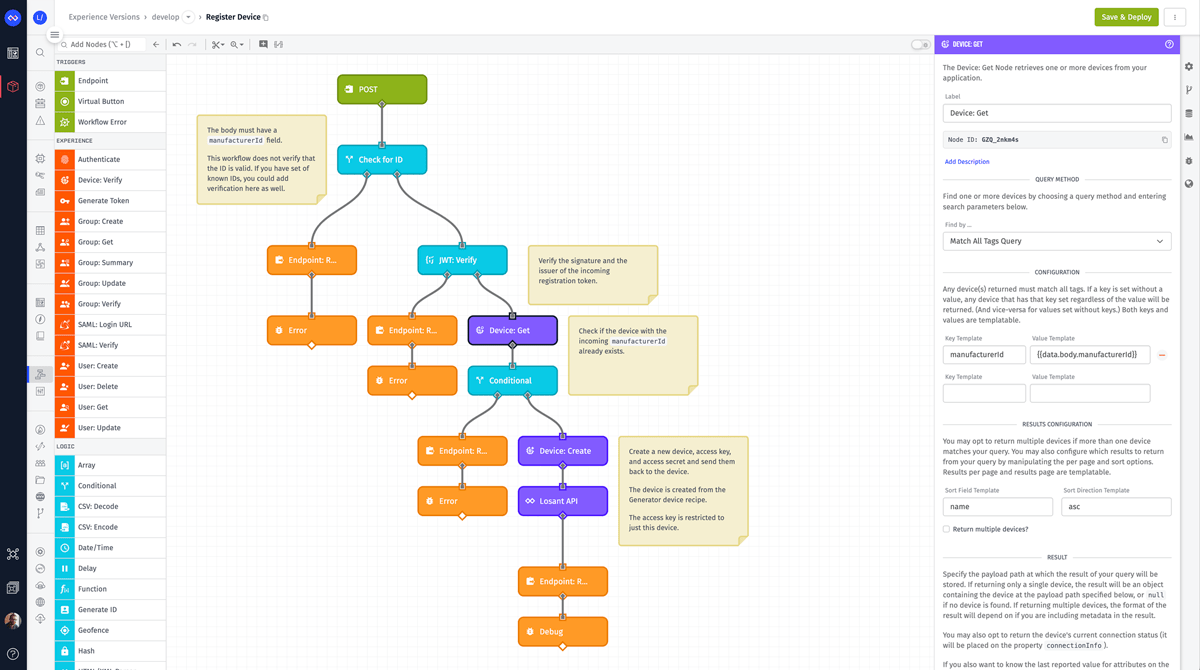
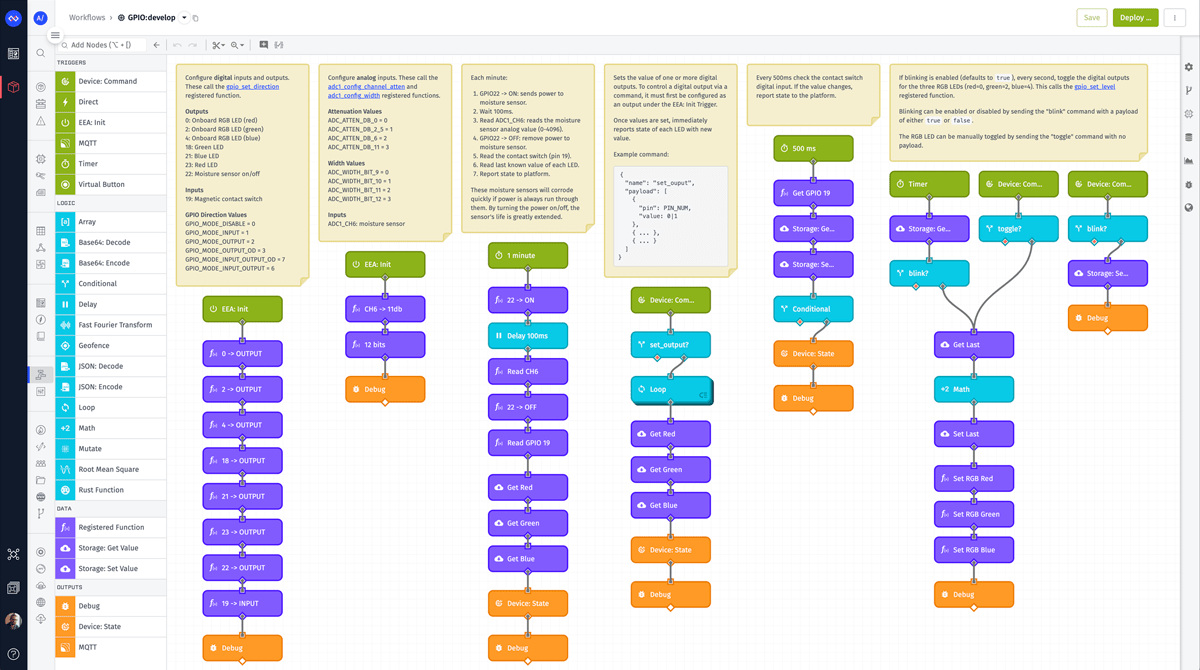
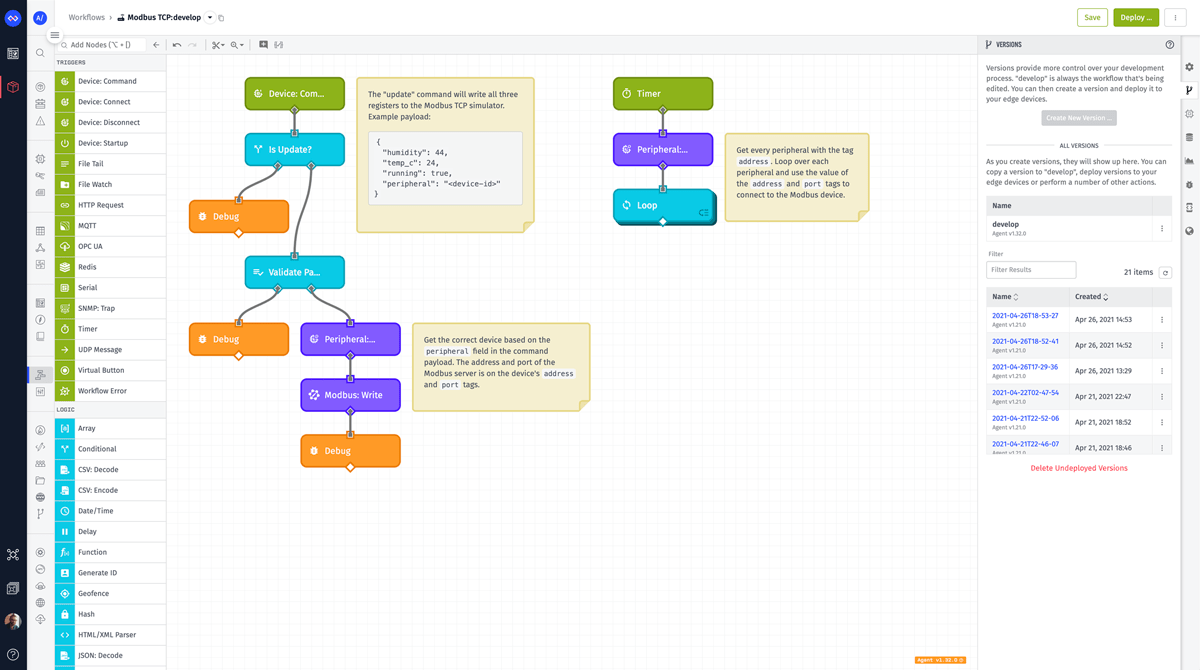
Losant drag-and-drop workflow editor allows you to easily build complex interactions between your devices and 3rd party systems. Workflows can be triggered by devices, timers, webhooks, and many other inputs. Outputs can be other devices, 3rd party systems, emails, SMS, and many more. Workflows provide a simple way connect your things together and move complex business logic off of your devices and into the cloud.
Sign up to receive our newsletter with the latest updates from the Losant team.
Losant is an Internet of Things developer platform that makes building real-time connected solutions a breeze.